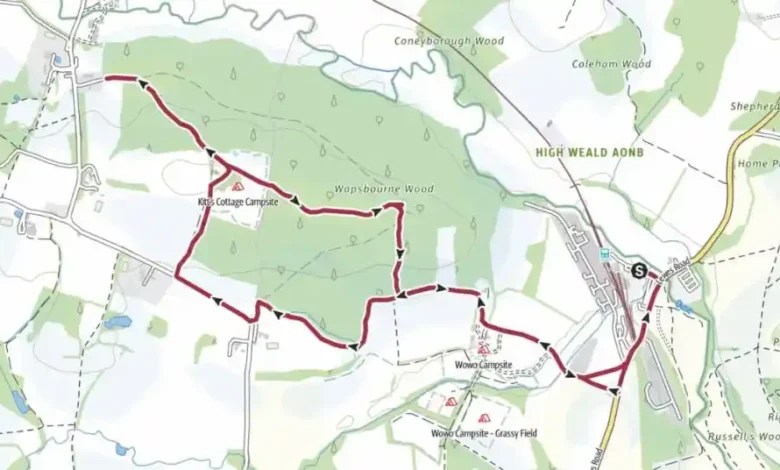
The Bluebell Railway is one of the most celebrated heritage railways in the United Kingdom, offering visitors a chance to experience authentic steam travel through the Sussex countryside. The bluebell railway map is an essential planning tool that helps travellers understand the full route, station stops, and scenic highlights before beginning their journey. It provides clarity for both first-time visitors and railway enthusiasts exploring the historic line.


The bluebell railway map is especially important because it connects history with modern tourism, guiding passengers along the preserved route operated by the Bluebell Railway Preservation Society. Stretching between East Grinstead and Sheffield Park, the map highlights key stations and landscapes that define the railway’s charm. For anyone planning a visit, the bluebell railway map ensures a well-structured and enjoyable experience.
Bluebell Railway Map Overview and Route Structure
The bluebell railway map of route outlines an 11-mile preserved steam railway running through the heart of Sussex. This carefully restored line connects East Grinstead in the north with Sheffield Park in the south, passing through picturesque countryside, woodlands, and historic railway infrastructure. The bluebell railway map helps visitors understand how the journey is structured and what to expect along the way.
The bluebell railway map is not just a navigation aid but also a historical representation of Britain’s railway heritage. It reflects the restoration of a once-closed branch line that has been brought back to life through volunteer dedication. Using the bluebell railway map of route allows visitors to appreciate the full scale of preservation work while planning their journey efficiently.
Main Stations on the Bluebell Railway Map
The bluebell railway map includes several key stations, each offering a unique glimpse into railway history. Sheffield Park is the main southern station, featuring a museum, locomotive sheds, and visitor facilities. Horsted Keynes is a beautifully preserved junction station with period details, while Kingscote offers a peaceful countryside stop along the line.
The bluebell railway map also includes East Grinstead, which connects the heritage railway to the national rail network. This makes it an important entry point for many visitors. By studying the bluebell railway map, travellers can decide which stations to explore in detail and how to structure their journey for maximum enjoyment.
Interactive Bluebell Railway Map and Visitor Planning Tools
Modern versions of the bluebell railway map are available online, offering interactive features that allow users to zoom in on stations, view facilities, and explore the full route in detail. These digital tools make it easier for visitors to plan their journey in advance and understand train timings, station layouts, and access points.
The bluebell railway map also supports walking routes and nearby countryside paths, making it useful for those who want to explore beyond the train experience. Visitors can use the map to locate parking areas, picnic spots, and accessibility services. The bluebell railway map of route ensures that both casual tourists and railway enthusiasts can navigate the experience with ease.
Scenic Highlights Along the Bluebell Railway Map Route
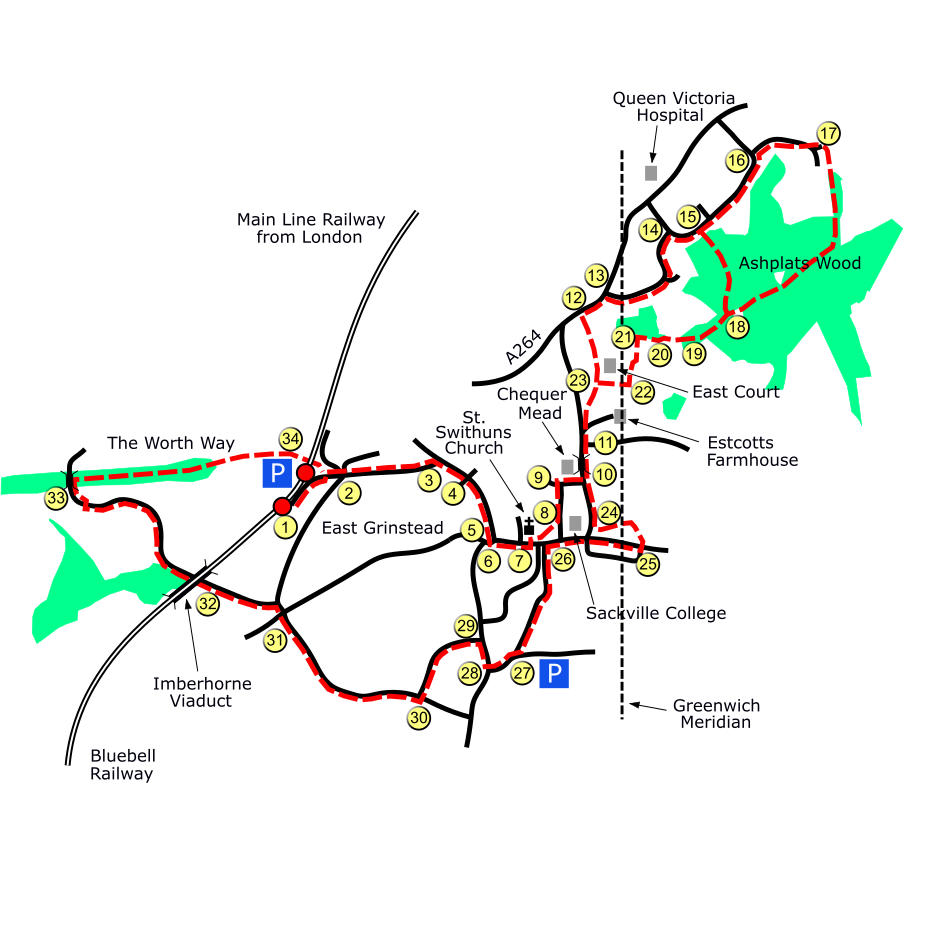
One of the most attractive features of the bluebell railway map is the scenic landscape it showcases along the entire route. The journey passes through rolling hills, dense woodlands, and open fields, offering passengers a constantly changing view of the Sussex countryside. Springtime is especially popular when bluebells bloom along the trackside.
The bluebell railway map helps travellers identify the most scenic sections of the journey, including historic bridges, cuttings, and woodland corridors. Photography enthusiasts often rely on the bluebell railway map of route to locate ideal viewpoints. Each section of the line offers something unique, making the entire journey visually rewarding from start to finish.
History and Preservation Behind the Bluebell Railway Map
The bluebell railway map represents more than just a travel guide; it reflects a powerful story of preservation and restoration. After the original line was closed, railway enthusiasts and volunteers worked tirelessly to restore the track, rebuild stations, and bring steam locomotives back into service. This effort preserved an important part of British transport heritage.
Today, the bluebell railway map symbolises decades of dedication by the Bluebell Railway Preservation Society. It showcases how a disused railway was transformed into a working heritage attraction. Understanding the bluebell railway map gives visitors a deeper appreciation of the history, effort, and passion behind the railway’s survival and continued success.
Travel Experience and Planning with the Bluebell Railway Map
Using the bluebell railway map effectively can greatly enhance the overall visitor experience. It allows travellers to plan their journey based on station stops, train schedules, and available attractions. This ensures that visitors can make the most of their time while exploring the heritage railway line in a structured and enjoyable way.
The bluebell railway map of route also helps families and groups decide on the best travel options. Whether planning a short return trip or a full-day exploration, the map provides essential guidance. By studying the bluebell railway map in advance, visitors can enjoy a smoother, more relaxed experience throughout their journey.
Nearby Attractions Along the Bluebell Railway Map Route
The bluebell railway map not only highlights train stations but also reveals nearby attractions worth exploring. The surrounding Sussex countryside is filled with walking trails, nature reserves, and charming villages. These locations make the railway journey even more enjoyable by offering additional activities before or after the train ride.
Visitors using the bluebell railway map can also discover museums, gardens, and heritage sites close to each station. Combining rail travel with local tourism creates a richer and more fulfilling experience. The bluebell railway map of route helps connect these attractions, making it easier for travellers to plan extended visits.
Conclusion
The bluebell railway map is an essential companion for anyone exploring one of the UK’s most iconic heritage railways. It provides a clear understanding of the route, stations, and scenic highlights, ensuring visitors can plan their journey with confidence and ease. From historical significance to modern-day tourism, the map plays a vital role in the overall experience.
Ultimately, the bluebell railway map of route represents both navigation and heritage storytelling. It connects passengers to the history of steam travel while guiding them through the beautiful Sussex countryside. By using the map effectively, visitors can fully appreciate the charm, history, and scenic beauty of this remarkable railway.