
Waterloo City Farm is a unique urban green space located in the heart of Central London, offering a rare blend of agriculture, education, and community engagement. Waterloo City Farm transforms a previously unused urban site into a thriving environment where people can learn about farming, sustainability, and nature within a busy city setting. It stands as an inspiring example of how cities can integrate green spaces into dense urban landscapes.


Waterloo City Farm continues to play an important role in connecting local communities with nature and environmental learning. Waterloo City Farm provides opportunities for schools, families, and volunteers to take part in hands-on activities that encourage sustainable thinking. From growing vegetables to caring for animals, the farm creates meaningful experiences that promote environmental awareness and community well-being.
History and Development of Waterloo City Farm
Waterloo City Farm was created through a vision of transforming neglected urban land into a productive and educational green space. Over time, Waterloo City Farm evolved from a simple community initiative into a well-structured urban farm supported by organisations, local volunteers, and environmental partners. Its development reflects the growing need for sustainable urban regeneration in London.
The growth of Waterloo City Farm highlights the importance of collaboration between community groups and local authorities. Waterloo City Farm gradually expanded its facilities, improving its educational capacity and agricultural spaces. Today, it stands as a successful example of how long-term planning and community involvement can reshape underused land into a valuable public resource.
Feilden Fowles Architecture and Design Influence
The architectural identity of Waterloo City Farm is strongly influenced by Feilden Fowles Waterloo City Farm design principles, which focus on simplicity, sustainability, and functionality. The use of timber structures and open spaces creates a natural and welcoming environment. Feilden Fowles Waterloo City Farm demonstrates how modern architecture can support education and community engagement without losing connection to nature.
Feilden Fowles Waterloo City Farm design approach ensures that every element of the farm serves both practical and educational purposes. The timber-framed barn acts as a multifunctional space for workshops, learning sessions, and community events. Waterloo City Farm benefits greatly from this thoughtful design, which blends architecture with environmental awareness and creates a space that feels both modern and organic.
Educational Purpose and Community Learning
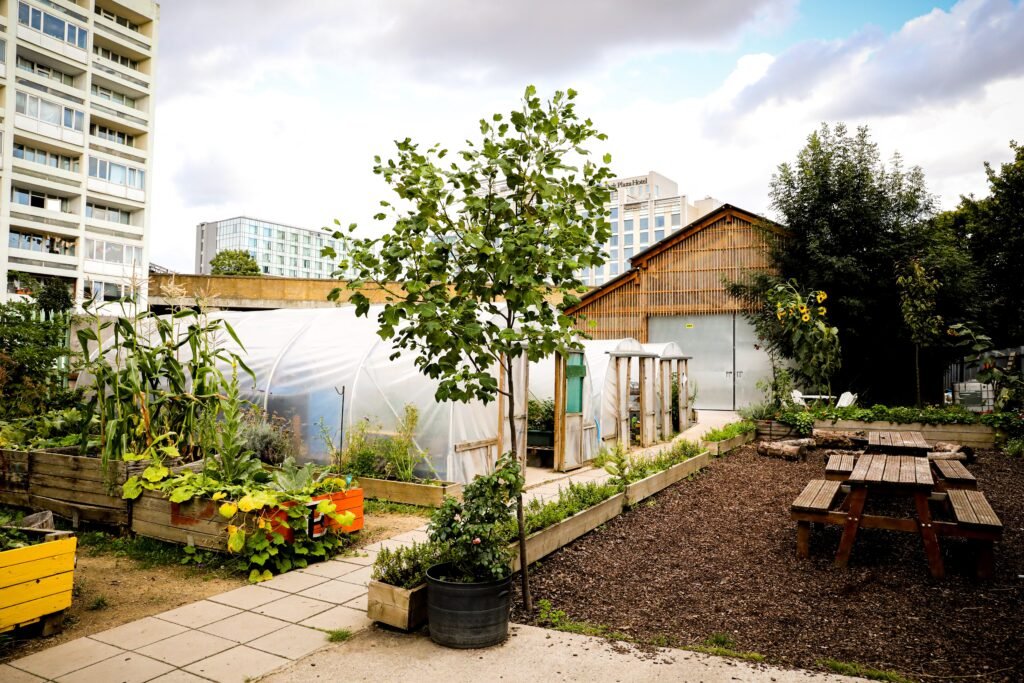
Waterloo City Farm plays a vital role in education by offering hands-on learning experiences focused on agriculture, food production, and sustainability. Waterloo City Farm regularly welcomes school groups who participate in activities such as planting, harvesting, and animal care. These experiences help young people understand where food comes from and how sustainable systems work in real life.
Beyond formal education, Waterloo City Farm also supports lifelong learning for adults and community groups. Waterloo City Farm encourages volunteers to engage in gardening, environmental workshops, and conservation activities. This inclusive approach helps build stronger communities while promoting environmental responsibility and practical skills development across different age groups.
Visitor Experience at Waterloo City Farm
Visiting Waterloo City Farm offers a peaceful escape from the busy urban environment of Central London. Waterloo City Farm allows visitors to explore green spaces, interact with animals, and observe seasonal farming activities. The farm creates a calm and welcoming atmosphere that encourages people to reconnect with nature in an accessible city location.
Waterloo City Farm is designed to be inclusive and engaging for all visitors, including families, tourists, and local residents. Waterloo City Farm hosts regular events, workshops, and open days that allow people to experience urban farming first-hand. Each visit provides a unique opportunity to learn about sustainability while enjoying a natural environment in the heart of the city.
Sustainability and Environmental Importance
Waterloo City Farm is deeply committed to promoting sustainability and environmental awareness through practical action. Waterloo City Farm uses eco-friendly farming techniques such as composting, organic cultivation, and biodiversity enhancement. These practices help improve soil quality and support local ecosystems within an urban setting.
The environmental impact of Waterloo City Farm extends beyond its physical space. Waterloo City Farm actively educates visitors about climate change, waste reduction, and sustainable living. By combining education with real-world farming practices, the farm inspires long-term behavioural change that contributes to a greener and more responsible urban society.
Feilden Fowles Waterloo City Farm and Urban Design Value
Feilden Fowles Waterloo City Farm project highlights the importance of integrating architecture with community needs. The design reflects a careful balance between functionality and environmental sensitivity, ensuring that every structure serves a clear purpose. Feilden Fowles Waterloo City Farm has become an example of how thoughtful design can enhance educational and social experiences.
Waterloo City Farm benefits significantly from the architectural vision provided by Feilden Fowles Waterloo City Farm collaboration. The timber barn and surrounding structures support a wide range of activities, from teaching sessions to community gatherings. This design approach reinforces the farm’s identity as both a learning space and a sustainable urban environment.
Community Impact of Waterloo City Farm
Waterloo City Farm has become an essential part of the local community, offering opportunities for engagement, education, and social connection. Waterloo City Farm brings together people from diverse backgrounds, creating a shared space where environmental learning and community participation can thrive. This inclusive environment strengthens social bonds across Central London.
The wider impact of Waterloo City Farm extends into urban regeneration and public well-being. Waterloo City Farm demonstrates how green spaces can improve mental health, encourage physical activity, and support educational development. It continues to serve as a powerful example of how community-led initiatives can transform urban environments for the better.
Conclusion
Waterloo City Farm represents a successful model of urban farming that combines education, sustainability, and community involvement. Waterloo City Farm continues to inspire visitors by showing how unused urban land can be transformed into a productive and meaningful green space. Its presence in Central London highlights the importance of nature in city life.
With strong architectural influence from Feilden Fowles Waterloo City Farm design, the project stands as a symbol of innovation and sustainability. Waterloo City Farm is not only a farm but also a learning hub, a community space, and a demonstration of how cities can evolve into more environmentally responsible places for future generations.